Featured
Table of Contents
Integration requires time, clarity, and management that rewards joint success over private wins. It concentrates on meaningful storytelling, authentic journalist relationships, and giving ideas the time they require to establish. With slow PR, success isn't about the number of stories you press every week, however how strong your relationships and protection are over time.
Evaluating Traditional and Digital Media ModelsWhile others stress out chasing every trend, you're developing reliability. It likewise protects your group due to the fact that constant pressure kills imagination and drives great individuals away. Start by cutting activities that consume time without adding value like Focus instead on producing quality material that takes some time to establish and develop real authority.
Finally, plan longer projects with area for research, relationships, and thoughtful execution. PRLab's expert-tip: Slow PR does not mean removing all fast actions. It implies being tactical about when speed matters versus when depth delivers more worth. Choose when to speak and when to keep back. Offer your team space to believe and charge.
Entry-level PR tasks that when taught the basics are disappearing as AI takes control of routine jobs. Companies now desire people who can manage tools, edit, and evaluate information. This is triggering Newbies have fewer methods to find out the fundamentals, and mid-career pros are under pressure to rapidly develop tech abilities they never required in the past.
Navigating the Evolution of Search for Brands
Companies may have a hard time to discover strong PR skill in a couple of years. But if teams purchase both interaction and tech knowledge, they'll remain competitive and construct a stronger, more well balanced future. Here's how to approach it depending upon your career phase: Get comfortable with core PR tools. Discover platforms like HubSpot for automation, Idea for managing workflows, and Sprinklr for media tracking and analytics.
Usage platforms like LinkedIn Knowing or Coursera to build your tech abilities. Create ways that construct both communication and tech skills so your team ends up being more well-rounded and future-ready.
Evaluating Traditional and Digital Media Models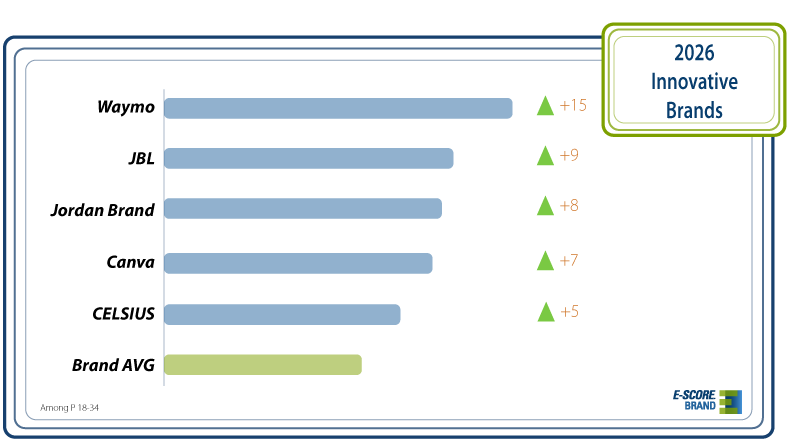
If you lag on the tech side, master one automation platform instead of attempting to learn them all. If technique is your weak area, find a mentor, research study top campaigns, or lead a small task to practice preparation. The goal is to be fluent in both technology and storytelling, not to pick in between them.
These services bring in skilled PR specialists typically with 15+ years of experience, Senior PR leaders are leaving conventional functions to work with several customers on a part-time basis, filling the space in between junior hires and pricey retainers. You get somebody who can Having that know-how early conserves time, prevents costly mistakes, and develops credibility much faster.
Now, develop 23 service tiers with fixed hours and clear deliverables so clients know what they're paying for and you prevent blurred lines. PRLab's expert-tip: The greatest threat in fractional PR is blending method with execution. Customers will request for news release, day-to-day pitching, or social media management since they require assistance all over.
Building Lasting Corporate Authority for the Digital Era
The setup works best when a junior PR individual can execute your plan. If not, help them find support, but do not become their full-service firm. AI platforms like ChatGPT, Gemini, and Claude are exploring It's early, but if this broadens, brand names may quickly pay to appear in AI-generated answers similar to advertisements on Google or Facebook.
If AI platforms present paid positionings, Users may lose rely on AI results if they can't tell what's paid and what's earned. Smaller sized brands with excellent stories might get buried under larger budget plans. PR groups will need methods that combine organic, especially for high-value search terms where your audience asks AI for recommendations.
Set internal guidelines about disclosure requirements and spending plan thresholds before paid choices end up being offered. PRLab's expert-tip: Start by noting 20 to 50 questions where appearing in AI outcomes would really affect your service: purchase choices, vendor selection, or brand research. Evaluate these questions routinely across different AI platforms to track your present visibility.
AI influencers are virtual characters with distinct appearances, voices, and backstories created by brands or digital studios. Brands now build or partner with these digital figures to represent them year-round, rather of just working with individuals. AI developers like Lil Miquela and Imma have AI influencers give brandsThey're a terrific suitable for product-driven industries like fashion, gaming, and lifestyle, where audiences already get in touch with digital personalities.
particularly if you remain in creative or product-driven industries. If it makes sense, create a custom-made virtual ambassador using tools like Synthesia for videos or Soul Devices for interactive characters. You can likewise collaborate with existing AI influencers who already connect with your audience. PRLab's expert-tip: The most significant mistake is seeing AI influencers as either a total replacement for people or just a gimmick.
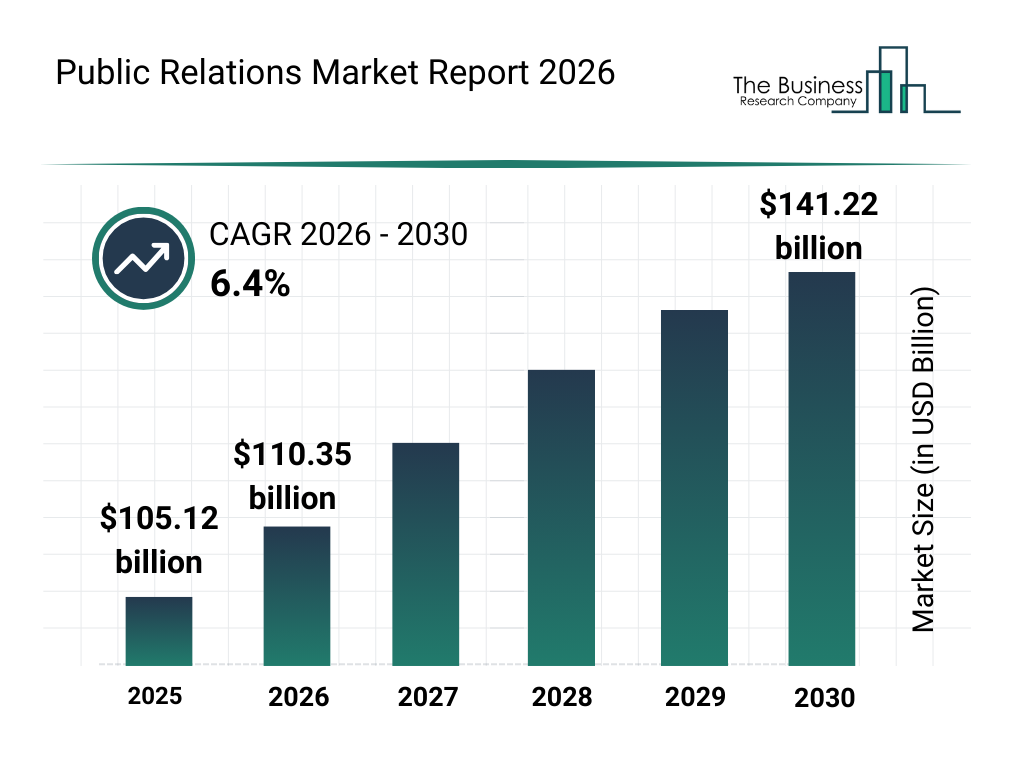
Future Best Practices for Crisis Relations
Constantly track audience responses when introducing AI influencers, given that approval differs by age, culture, and market. Let's Talk About Your PR StrategyLet's discuss how to adapt your PR method before your rivals do. What really matters is still the ability to narrate that feels real and builds genuine connections.
I This credibility affects whatever from list building to market positioning, making PR more valuable than ever. They're applying tested principles throughout broadening channels. They build relationships with creators the same method they've always developed them with journalists. They enhance for AI presence utilizing the same authoritative positionings and expert positioning that have always driven trustworthiness.
They're already developing how brands construct trust, earn exposure, and drive outcomes. PR in 2026 is driven by seven patterns that includes AI in PR, founder-led branding, Generative Engine Optimization (GEO), imaginative thinking, immediate-response crisis interaction, hyperpersonalization, and narrative intelligence. Each one impacts how brands get noticed, earn trust, and remain noticeable.
How AI Search Visibility Redefines PR Strategy
The most successful groups are utilizing smart tools to conserve time however keeping imagination and storytelling at their work. The most significant modification in PR for 2026 is how technology and human storytelling now collaborate. AI is managing research, media monitoring, and data analysis, while PR professionals focus on creativity, technique, and genuine connection.
Audiences desire authenticity. They care more about what founders represent, how brand names act, and whether stories feel authentic. PR is changing from pressing messages to making trust. The mix of wise innovation and sincere storytelling is what makes contemporary PR work. An excellent guideline is to review your PR method every quarter.
Things like AI tools, media trends, and audience behavior modification fast, and little changes can save you a great deal of effort later. A quarterly check keeps your plan fresh and your group focused on what really works. Throughout each review, take a look at what kind of coverage you're getting, how visible your brand name remains in AI results, and whether your essential messages still connect.

Latest Posts
Ways to Optimize Your Corporate Identity for 2026
The Impact of AI On Corporate Reputation Management
How GEO Is Redefining PR Success